
When you get sick, you might wonder if it is caused by bacteria or a virus. The difference between bacteria and viruses is fundamental in biology and medicine — it determines the right treatment, the course of the illness, and how it spreads. Understanding the difference between bacteria and viruses is one of the most important pieces of health knowledge everyone should have.
Key Takeaways
- Bacteria are single-celled living organisms that can survive independently; viruses are not truly alive and require a host cell to replicate.
- Bacterial infections are treated with antibiotics; viral infections require antiviral medications or the body’s immune system.
- Some bacteria are beneficial (gut flora); viruses are never beneficial to human health.
- Vaccines are typically the most effective way to prevent viral infections.
What Are Bacteria?
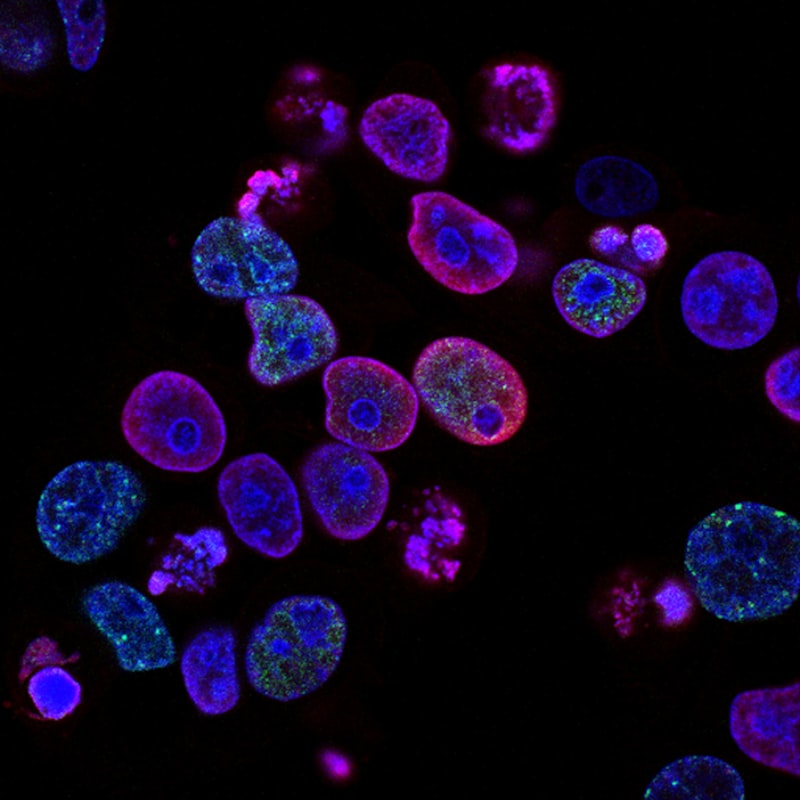
Bacteria are single-celled microorganisms that belong to the domain Prokaryota. They exist virtually everywhere on Earth — in soil, water, air, and inside the human body. While some bacteria cause disease (like strep throat or tuberculosis), most are harmless or even beneficial, aiding in digestion and producing essential vitamins.
What Are Viruses?
Viruses are even smaller than bacteria and are not considered truly “alive.” They consist of genetic material (DNA or RNA) wrapped in a protein shell, and they must invade a host cell to reproduce. Without a host, viruses cannot survive or replicate. Examples include influenza, HIV, SARS-CoV-2, and the common cold.
Bacteria vs Viruses Comparison
The most important difference between bacteria and viruses is how they are treated. Antibiotics kill bacteria but have zero effect on viruses. This is why taking antibiotics for a viral infection (like a cold or flu) is ineffective and contributes to antibiotic resistance — a growing global health crisis identified by the Centers for Disease Control (CDC).
Size and Structure Differences
Bacteria are generally 100 times larger than viruses and can be viewed with a standard light microscope. Viruses are so small they require an electron microscope. Structurally, bacteria have cell walls and can reproduce independently, while viruses have protein coats and need a host cell to multiply.
Related Articles
If you found this comparison helpful, you might also enjoy:
- Difference Between Cloud Storage and Local Storage
- Difference Between Data Lakes and Data Warehouses
- Difference Between Docker and Kubernetes
Frequently Asked Questions
How do I know if my infection is bacterial or viral?
Symptoms alone often cannot tell the difference. A healthcare provider may use lab tests, cultures, and blood work to identify the cause. Bacterial infections often produce localized symptoms, while viral infections tend to cause more systemic symptoms like fever and body aches.
Can bacteria and viruses infect you at the same time?
Yes. A viral infection can weaken your immune system, making you more susceptible to a secondary bacterial infection. This is common with flu leading to bacterial pneumonia.
Are all antibiotics effective against bacteria?
No. Antibiotics are designed for specific types of bacteria. Using the wrong antibiotic or overusing antibiotics can lead to resistant bacteria that are much harder to treat.
Learn more from authoritative sources: National Institutes of Health (NIH)