When matter transforms, there are only two fundamental paths it can take — and the difference between chemical and physical change explains why some transformations are permanent while others are easily reversed. A melted ice cube can be refrozen, but a burnt piece of toast cannot be un-burnt. That is the distinction in a nutshell.
This concept is one of the first things taught in introductory chemistry courses. As Khan Academy’s AP Chemistry curriculum demonstrates, recognizing the difference between these two types of change is foundational to understanding how matter behaves.
Key Takeaways
- Physical changes alter form without creating new substances; chemical changes produce entirely new materials.
- Melting, freezing, tearing, and dissolving are physical changes. Burning, rusting, cooking, and digesting are chemical changes.
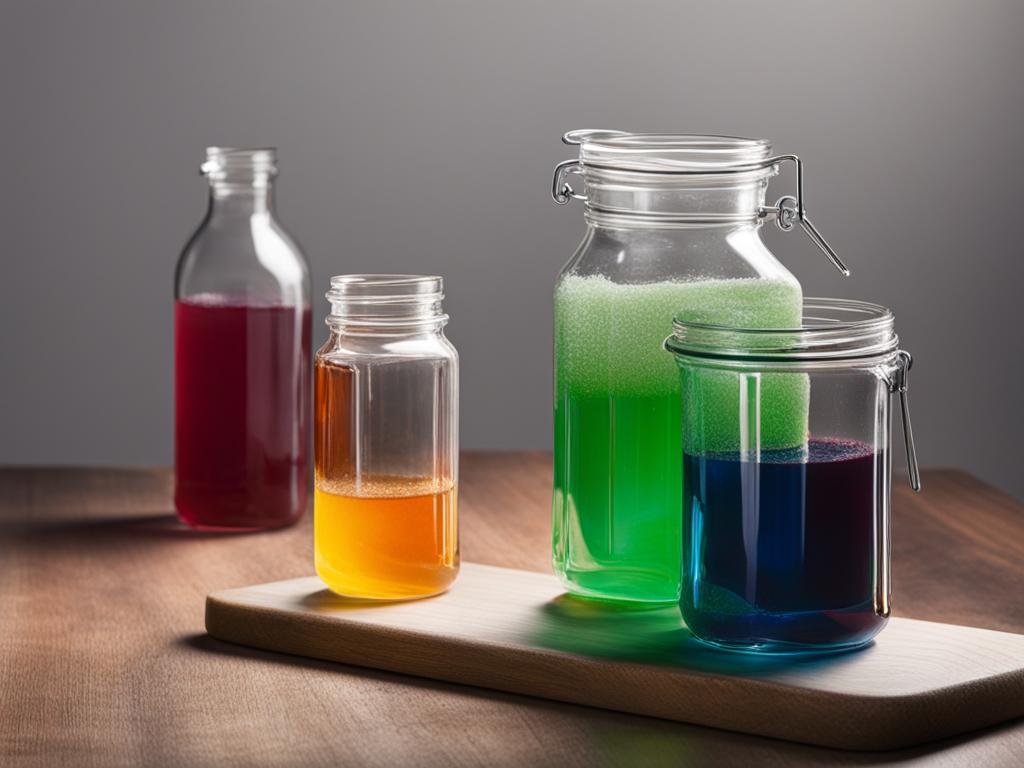
- Chemical changes are identified by color change, gas production, temperature shift, or formation of a precipitate.
The Core Difference, Simply Put
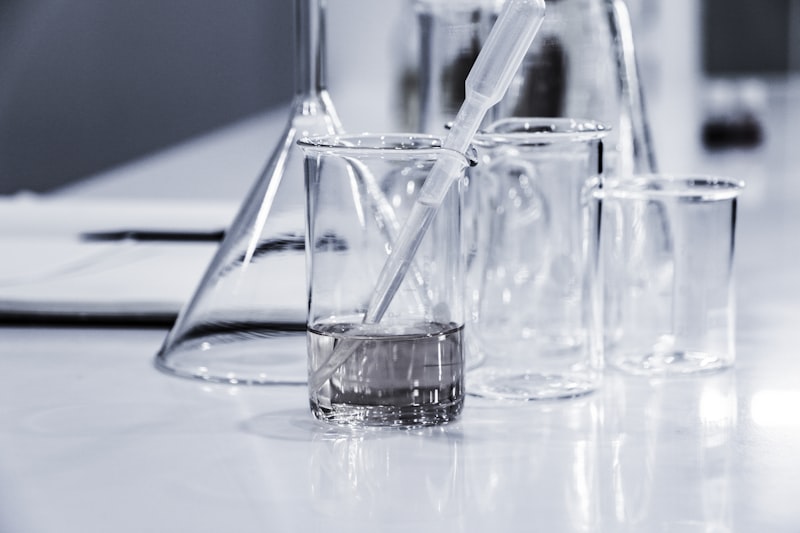
A physical change is like rearranging furniture in a room — the room is still the same room. A chemical change is like knocking down a wall and building something new — the original room no longer exists. At the molecular level, physical changes leave chemical bonds intact; chemical changes break and reform them.
Can You Tell Them Apart?
Sometimes it is obvious. A log burning in a fireplace — smoke, ash, heat, and light — is unmistakably a chemical change. But some cases are trickier. Dissolving salt in water looks like the salt “disappears,” so many people assume it is a chemical change. It is not — the salt merely dissociates into ions. Evaporate the water and the salt reforms, identical to before. That reversibility is the telltale sign of a physical change.
The Encyclopaedia Britannica notes that precipitate reactions — where two clear liquids combine to form a cloudy solid — are classic visual proofs of chemical change in action.
Why This Matters Outside the Lab
Understanding the difference between chemical and physical change is not just academic. It explains why overcooked food cannot be salvaged (denatured proteins are chemically changed), why iron gates rust in coastal towns (salt accelerates the oxidation reaction), and why freezing food preserves it (cold temperatures slow chemical degradation). Every breath you take — oxygen binding to hemoglobin — is a chemical change keeping you alive.
Related Topics
- Difference Between Acid and Base — another foundational chemistry concept rooted in the same molecular principles.
Frequently Asked Questions
Is boiling water a chemical change?
No, it is physical. The water transitions from liquid to gas, but the H₂O molecules remain H₂O. Condense the steam and you get liquid water back.
What about baking a cake — is that one change or many?
Baking a cake involves dozens of simultaneous chemical changes: proteins denature, starches gelatinize, sugars caramelize, and leavening agents produce carbon dioxide gas that makes the cake rise. It is a chemical symphony.