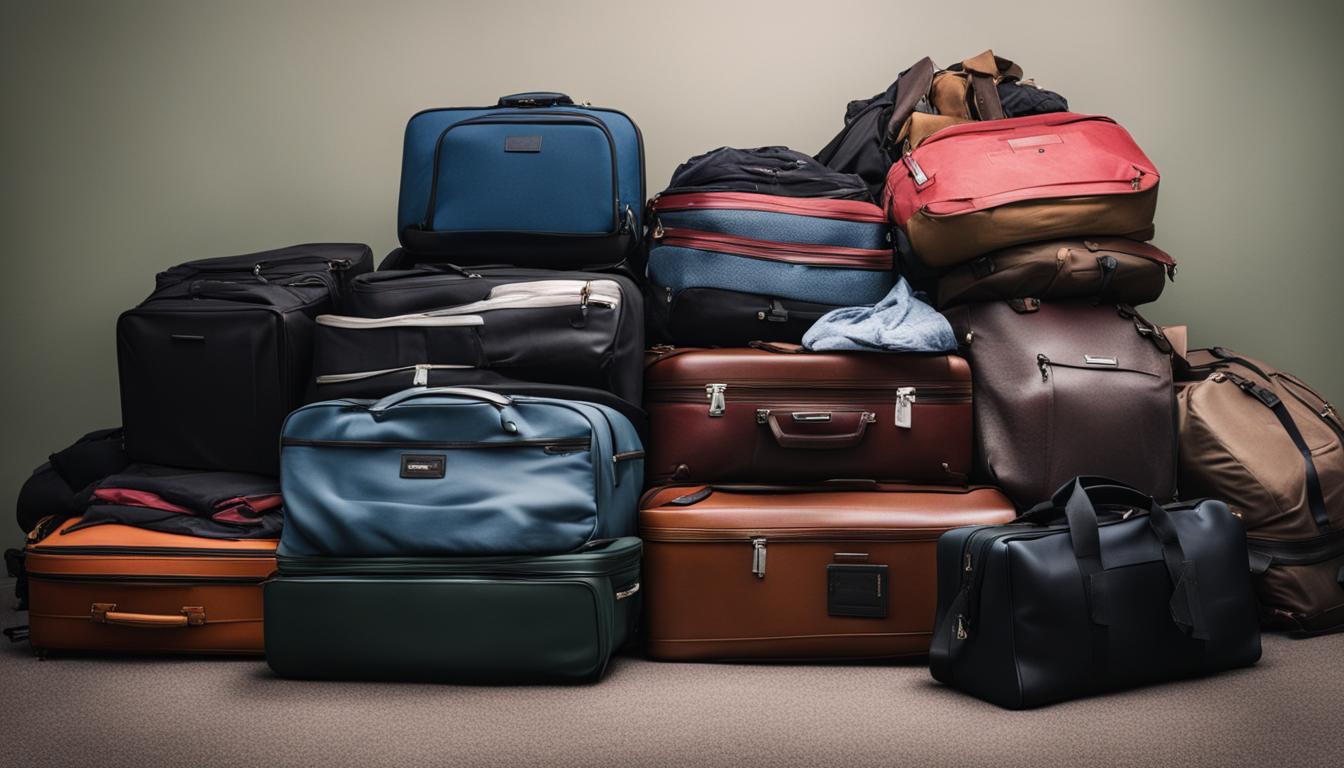
You have probably heard both terms thrown around in productivity circles, but the difference between minimalism and essentialism is more than just semantics. Minimalism asks you to own less. Essentialism asks you to do less. One tackles your closet; the other tackles your calendar.
Greg McKeown, who literally wrote the book on essentialism, defines it as “the disciplined pursuit of less but better.” His work, featured in the Harvard Business Review, argues that the most successful people do not achieve more by cramming more in — they achieve more by doing fewer things, extraordinarily well.
Key Takeaways
- Minimalism focuses on physical possessions; Essentialism focuses on tasks and commitments.
- A minimalist declutters their home; an essentialist declutters their schedule.
- Both philosophies share the same root insight: less can be exponentially more.
Own Less vs. Do Less
A minimalist looks around their apartment and asks: “What here actually adds value to my life?” The books they never read, the clothes they never wear, the kitchen gadgets gathering dust — all gone. The result is a space that feels calm and intentional.
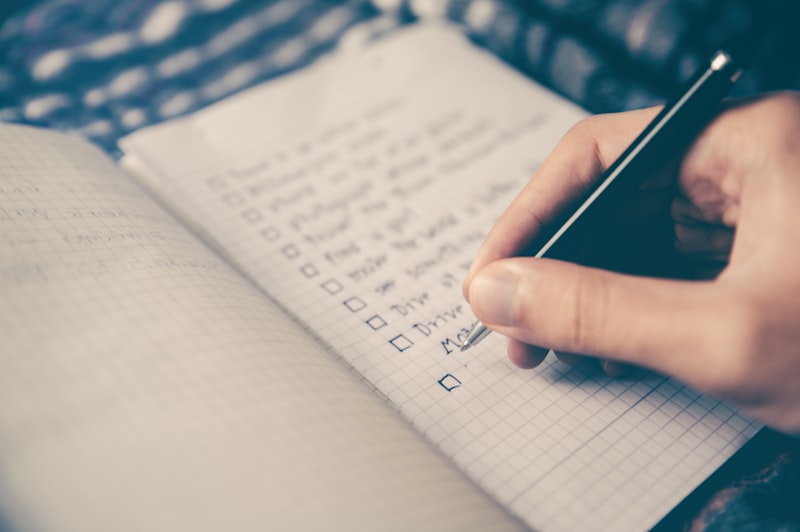
An essentialist looks at their to-do list and asks the same question, but of their time. That recurring meeting that could have been an email? Declined. The favor from an acquaintance that will drain three hours? A polite no. The side project that has stalled for six months? Killed without guilt. An essentialist protects their energy as fiercely as a minimalist protects their living space.
Do You Need Both?
They are not the same thing, but they complement each other beautifully. Reducing physical clutter lowers background stress without you even noticing. Reducing task clutter frees up mental bandwidth for deep, meaningful work. A person who practices both — a calm, uncluttered environment supporting a small set of truly important goals — is operating at a level most people never reach.
Interestingly, many people discover essentialism through minimalism first. As McKeown points out, the freedom of owning less often leads to the deeper question: “If I can control what I own, can I control what I do?” The answer reshapes lives.
Frequently Asked Questions
Can you practice essentialism without minimalism?
Yes. You might own a large library of books and love surrounding yourself with objects, but still ruthlessly protect your time. Essentialism does not care about your possessions — it cares about your priorities.
Is minimalism just about getting rid of stuff?
Superficially, yes. But most minimalists report that the real benefit is psychological: fewer decisions about what to wear, less cleaning, less maintenance, and a clearer mind. The physical act of decluttering is merely the gateway.